Nov 11, 2025
How to Build a No-Code Marketing Stack for Hospitality & Travel

Averi Academy
Averi Team
8 minutes

In This Article
Streamline your hospitality marketing with a no-code stack that integrates AI, automation, and CRM tools for a personalized guest experience.
Updated:
Jan 23, 2026
Don’t Feed the Algorithm
The algorithm never sleeps, but you don’t have to feed it — Join our weekly newsletter for real insights on AI, human creativity & marketing execution.
Want to improve your hospitality or travel business marketing without hiring developers? A no-code marketing stack is your answer.
By combining AI, automation, and CRM tools, you can simplify workflows, reduce costs, and deliver personalized guest experiences. Whether you're handling bookings, responding to reviews, or running seasonal campaigns, no-code platforms make it easy to manage everything without technical expertise.
Here’s what you’ll gain:
Cost efficiency: Save on expensive software and agency fees.
Faster processes: Automate repetitive tasks like email follow-ups or social media posts.
Personalized engagement: Use AI to tailor campaigns for different guest types.
Key tools to consider:
AI Workspaces (e.g., Averi AI): Centralize planning, content creation, and execution.
Automation Platforms (e.g., Zapier): Connect apps to automate tasks like booking confirmations.
CRM Systems (e.g., HubSpot): Manage guest data and run targeted campaigns.
Start by mapping your marketing goals, choosing tools that fit your needs, and testing workflows. This approach will help you deliver better guest experiences while freeing up time for strategic planning.
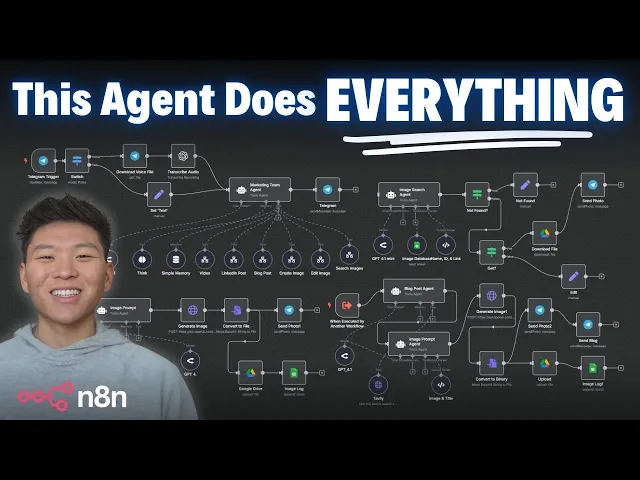
I Built a Marketing Team with 1 AI Agent and No Code (free n8n template)
Core Components of a No-Code Marketing Stack
Creating a no-code marketing stack that works seamlessly involves integrating three key components. These elements work together to streamline processes, reduce fragmentation, and provide a unified approach tailored to the needs of the hospitality and travel industry.
AI Marketing Workspaces
AI Marketing Workspaces represent a shift from juggling multiple tools to using a single platform that handles strategy, content creation, and execution. Instead of bouncing between apps for brainstorming, designing, and tracking, these workspaces provide a centralized hub where campaigns move smoothly from concept to completion.
Take Averi AI, for example. Its Synapse architecture routes tasks based on complexity. Specialized modules - Strategic, Creative, Performance, and Human - decide whether a task requires AI efficiency or human insight. For instance, while a hotel chain planning a seasonal promotion might benefit from strategic guidance, routine tasks like social media posts can be handled swiftly by AI.
Similarly, Copy.ai serves as an AI-powered platform that unifies data and connects teams, eliminating inefficiencies caused by disconnected tools. It generates content drafts in seconds and offers workflows tailored to hospitality scenarios, such as seasonal promotions. Its real-time translation and localization features ensure a consistent brand voice, even for international audiences.
These workspaces act as a creative hub, feeding directly into automation systems for further efficiency.
Automation Platforms
Automation platforms, like Zapier, simplify repetitive tasks by connecting various tools and automating workflows. For hospitality businesses, this means turning time-consuming processes into effortless sequences. Consider a guest booking a room on your website: automation can instantly add their details to your CRM, send a personalized welcome email, create a task for the concierge, and update revenue tracking - all without manual intervention.
The power of these platforms lies in their trigger-based workflows. For example, if a guest leaves a negative TripAdvisor review, the system can automatically notify the guest relations manager, assign a response task, and log the incident in a reputation management system. Similarly, a social media mention of your property can trigger lead enrichment, adding the user's contact details to your marketing database. Many automation tools integrate with over 2,000 apps [1], allowing seamless connections between booking systems, property management software, email marketing tools, social media accounts, and financial platforms.
While automation connects your tools, CRM platforms ensure guest interactions are centralized and personalized.
CRM and Campaign Management Tools
Customer Relationship Management (CRM) platforms, like HubSpot, serve as the backbone of your no-code marketing stack. They manage guest data and enable personalized campaigns throughout every stage of the customer journey, from initial contact to repeat visits.
Modern CRMs excel at behavioral segmentation, grouping guests based on their actions and preferences. For instance, a luxury resort might identify spa lovers, adventure seekers, or frequent guests, and then trigger personalized campaigns for each group. If a spa enthusiast books a room, the system can send wellness-focused emails and recommend tailored spa packages.
Account-based marketing features are especially useful for travel businesses targeting corporate clients or event planners. These tools offer insights into company accounts and decision-makers, making it easier to create relevant, targeted campaigns [1]. Additionally, automated lead processing enriches incoming leads with additional data and analyzes past behavior, enabling quick, personalized responses that ensure potential guests get the information they need within minutes.
These CRM tools also coordinate campaigns across multiple channels, from email and social media retargeting to SMS reminders and personalized offers based on browsing habits.
How to Build Your No-Code Marketing Stack
Creating a no-code marketing stack isn’t just about picking tools - it’s about aligning those tools with your business goals and streamlining your operations. The key is to start with a clear understanding of your current workflows and pinpointing areas where automation can make a real difference.
Map Your Marketing Goals and Workflows
Begin by documenting your entire marketing process, from the initial guest interaction to post-stay follow-ups. Pay close attention to critical areas like booking confirmations and pre-arrival communications. Identify every touchpoint where guests engage with your brand, and note which tasks take the most time or could benefit from a personal touch.
Focus on workflows that have the biggest impact first. For instance, managing guest feedback is essential - unaddressed negative reviews on platforms like TripAdvisor or Google can harm your reputation. Map out how feedback is currently handled and identify any delays or bottlenecks in the response process.
Similarly, analyze your booking journey. If someone books a spa treatment at your resort, what happens next? Does the spa team get notified automatically? Are guests sent personalized emails with preparation tips? Are they added to future marketing campaigns tailored to wellness enthusiasts? These details can highlight gaps where automation can step in to save time and improve the guest experience.
Don’t overlook seasonal campaigns, either. Whether it’s summer poolside promotions or holiday packages, these campaigns often require tailored messaging and precise timing. Document the annual campaigns you run, when planning begins, and how content is distributed across channels.
Create a simple workflow map for each process, marking decision points, manual tasks, and data transfers. This map will serve as your guide for selecting and integrating tools that can fill the gaps and streamline your operations.
Choose and Connect the Right Tools
The tools you choose should fit your workflows and team size. For example, Averi AI is a great option for hotels and travel businesses needing both strategic and executional support. Its Synapse architecture handles complex tasks like market entry analysis while also managing routine content creation efficiently. If a luxury resort wants to target a new audience, Averi’s Strategic Cortex delivers in-depth insights, while its faster AI processing takes care of simpler tasks like social media posts.
Averi’s Human Cortex adds an extra layer of expertise by connecting you with vetted specialists. For instance, if your mountain lodge wants to launch adventure tourism packages, Averi links you with travel marketing pros who know how to reach outdoor enthusiasts. These experts can collaborate directly within your workflows, eliminating the need for lengthy briefings.
For automation, Zapier is a powerful choice, offering integrations with over 2,000 apps. It can connect your property management software, booking engines, review platforms, and email marketing tools, making it easier to streamline operations.
Consider pairing Averi AI for strategic and creative needs with a platform like HubSpot to centralize guest data. This combination allows you to create personalized campaigns for different audience segments, such as corporate travelers or families.
Your team size and technical expertise should also influence your decisions. Smaller properties might prefer user-friendly platforms like Averi that combine AI and human support, while larger hotel chains could benefit from more customizable solutions like Zapier paired with specialized CRMs.
Always evaluate how well these tools integrate with your existing systems. Request integration lists from vendors and test the connections during trial periods. Ensure everything works seamlessly before committing to a phased rollout.
Set Up and Test Your Stack
Proper setup and testing are critical to ensuring smooth operations and happy guests. Start with your most impactful workflows. Typically, this means connecting your CRM, email platform, and property management software. Use sample guest records to test data flows before handling real bookings.
Consistency is key. In Averi, populate your Brand Core with your voice guidelines, mission statements, and customer profiles. This helps the AI create on-brand content and ensures smooth collaboration with experts. Upload examples of your best-performing content to set the tone and style.
When configuring your automation platform, begin with simple tasks. For example, set up triggers for actions like “new booking confirmation” or “guest checkout completed.” Test these workflows thoroughly using sample data to ensure everything from email triggers to CRM updates works as intended.
Protecting guest data is non-negotiable. Test how preferences, special requests, and contact details sync between systems. Run scenarios like booking changes, cancellations, and group reservations to ensure your automations handle them correctly.
Set up monitoring and alerts for your workflows. For instance, if a negative review triggers a response sequence, make sure notifications reach the right team members promptly. Establish backup alerts and clear escalation procedures for system failures.
Before fully transitioning to your new stack, run parallel tests for at least two weeks. Process real bookings through both your manual system and the new automated workflows to catch any issues early. This approach safeguards guest experiences while giving your team time to adjust.
Document every step of the process. When your team understands how the new stack works and knows how to troubleshoot, adoption becomes much smoother and more sustainable.
Optimizing and Scaling Your Marketing Stack
Once your no-code marketing stack is up and running, you can take things to the next level by incorporating AI-driven features and scalable processes. These tools help create personalized guest experiences while maintaining the streamlined workflows mentioned earlier. Platforms like Averi AI and Zapier make it easier to transition from basic automation to intelligent, tailored marketing.
Use AI for Personalization and Campaign Optimization
AI has the power to turn generic marketing efforts into highly targeted experiences that resonate with specific guest segments. Instead of blasting the same email to everyone, your stack can tailor content based on booking history, individual preferences, and past engagement.
Averi AI’s Synapse architecture adapts seamlessly to the complexity of your tasks, handling everything from detailed campaign strategies to quick content creation. For instance, it can craft personalized email variations for different guest groups, ensuring each message feels relevant.
Averi's Human Cortex takes things a step further by connecting you with experienced marketing professionals when expert input is necessary. Imagine your mountain lodge wants to promote a hiking package to adventure enthusiasts. The platform can bring in specialists who understand this audience’s preferences and communication style. These experts work within your established workflows, aligning with your brand’s strategy and guidelines.
Over time, the insights gained from each campaign and interaction enhance future personalization, giving you a competitive edge in understanding and serving your guests.
Best Practices for Scaling Operations
As you expand personalized campaigns, scaling your operations effectively requires consolidating tools and standardizing workflows. This approach complements the automated workflows and centralized CRM systems already in place. A common misstep is adding disconnected tools or standalone solutions, which can lead to fragmented data and inefficiencies.
To avoid this, focus on building a unified, AI-driven platform and use standardized workflows. Document successful campaigns, communication sequences, and seasonal promotions within your platform’s knowledge base. This not only ensures consistency but also helps new team members get up to speed quickly, especially during high-demand periods.
Centralize your brand’s essential information in what Averi calls an Infobase - a single repository for guest personas, marketing guidelines, and other critical details. This ensures that every AI-generated piece of content aligns with your brand’s tone and style, no matter who is creating it.
Maintain a consistent brand voice by embedding clear guidelines for tone and personality directly into your AI platform. This reduces the risk of inconsistencies when multiple team members or external experts contribute to your campaigns.
Leverage integrations to connect your core tools without adding complexity. Platforms like Zapier can link your marketing stack with property management systems, booking engines, and review platforms, allowing seamless communication between tools.
Finally, track performance metrics across all channels and campaigns. Set up automated reports to monitor key indicators like booking conversions, email engagement, and guest satisfaction. These insights help identify what’s working and highlight areas for improvement. Define clear escalation triggers for situations requiring human intervention, such as complex guest issues or unexpected shifts in campaign performance. This ensures you’re ready to adapt when needed.
Common Problems and Solutions
Setting up a no-code marketing stack might sound straightforward, but real-world challenges often crop up, particularly around integration, maintaining brand consistency, and meeting compliance standards. These hurdles can disrupt even the most carefully planned systems, making it critical to anticipate and address potential issues early. Even after the initial setup, staying vigilant and proactive is key to keeping your marketing operations on track.
Fixing Integration and Workflow Issues
One of the most common challenges is data silos between platforms. For example, your booking system might not sync with your email marketing tool, or guest preferences stored in your CRM may fail to connect with your social media campaigns. This lack of integration often leads to manual data transfers and a fragmented guest experience.
Another frequent obstacle is API rate limits. Many no-code platforms, like Zapier, limit how often they can pull data from connected apps. During high-demand periods, such as peak booking seasons, these restrictions can cause delays in communication and missed opportunities for upselling.
Webhook failures are another potential headache, as they can interrupt workflows without immediate notice. For instance, if a guest books a room and a welcome email fails to send due to a disconnect, the issue might go unnoticed, leaving a negative impression.
To tackle these integration issues:
Start by mapping your data flow to understand how information moves between systems and identify potential weak points.
Use standardized data formats to minimize errors during transfers and simplify troubleshooting.
Set up monitoring systems to catch failures early and create backup workflows for critical processes, ensuring smooth operations even if something goes wrong.
Keeping Brand Voice Consistent
Maintaining a consistent brand voice across various tools can be tricky, especially when different AI platforms are used by multiple team members. For instance, your chatbot might sound formal, while your email campaigns take on a casual tone. These inconsistencies can confuse your audience and weaken your brand identity.
"You can't rely on dozens of disconnected AI copilots, narrow point solutions, or unconstrained AI agents. Your GTM AI strategy deserves a platform that drives every use case and connects every team."
The solution is to adopt a unified, AI-native platform rather than juggling disconnected tools. A centralized system ensures consistent outputs across all channels, helping you maintain control over your brand messaging.
Within this platform, implement a centralized Brand Voice component. This feature allows you to define your brand's personality, tone, and messaging guidelines in one place, ensuring that all AI-generated content aligns with your standards.
"Brand Voice: The definition of your brand's unique personality that ensures consistent, authentic content outputs."
Copy.ai
To further ensure consistency:
Document your brand voice with specific examples rather than vague instructions. For instance, instead of saying "be friendly", provide sample phrases that reflect your brand's tone.
Set up approval workflows for all public-facing content, whether generated by AI or team members.
Conduct regular training sessions on brand voice principles, so everyone involved in content creation stays aligned.
Data Privacy and Compliance Requirements
Streamlining your operations shouldn't come at the expense of guest data security. Hospitality and travel businesses handle sensitive information like payment details, travel preferences, and personal identification, which come with strict compliance obligations under regulations such as GDPR for European guests and CCPA for California residents.
Data residency can be a significant hurdle, as some no-code platforms store information on servers located in different countries. This can conflict with regulations that require guest data to remain within specific geographic boundaries.
Third-party data sharing adds another layer of complexity, as each tool in your marketing stack may have its own privacy policies and data handling practices. A single non-compliant platform could expose your business to penalties.
Additionally, managing guest consent is crucial. You need to document when guests give consent, what they agreed to, and how they can withdraw it. Without proper coordination across platforms, compliance gaps can arise.
To address these challenges:
Conduct a data audit to document what each platform collects, where the data is stored, and how it’s used.
Opt for platforms with built-in compliance features, such as consent tracking, automatic data retention limits, and options to delete guest data upon request.
Implement data minimization practices, collecting only the information you truly need.
Develop clear privacy policies that explain how guest data is used, and make these policies easy for guests to access and understand.
Schedule regular compliance reviews, such as quarterly audits, to ensure your practices align with regulations.
Put in place incident response procedures to quickly address data breaches or compliance violations, including notifying affected guests and containing the issue effectively.
Building Your Marketing Stack: Next Steps
To elevate your hospitality or travel business with an AI-powered, no-code marketing stack, start by aligning your marketing goals with your workflows. Whether you’re aiming to automate guest communications, streamline booking confirmations, or launch personalized upselling campaigns, clearly identifying your needs will help you choose tools that truly make an impact without adding unnecessary complexity. This clarity lays the groundwork for selecting and integrating the right solutions.
Based on the essential components highlighted earlier, consider tools like Averi AI for personalization, Zapier for automation, and HubSpot for customer relationship management (CRM). Together, these platforms enable seamless, tailored guest experiences while freeing your team to focus on high-level strategies instead of repetitive tasks.
The benefits of such integration are tangible. Properties that adopt similar tools report smoother operations and greater precision. For instance, Hiisi Homes & Hotels implemented a no-code automation platform to handle tasks like cross-checking OTA commission invoices with their property management system, resulting in faster workflows and more accurate reporting[2]. This freed their team to prioritize guest satisfaction and strategic planning.
The financial advantages are equally compelling. Properties leveraging AI-powered pricing tools have reported RevPAR increases of 10% to 20%[3], while automation platforms can save over 30 hours per month on pricing and operational tasks[3]. Additionally, some hotels have achieved a 13% reduction in energy consumption through real-time monitoring and predictive maintenance[3].
To ensure long-term success, continuous testing and optimization are essential. Your marketing stack should evolve alongside your business, with regular reviews to confirm that each tool continues to deliver measurable value. Keep an eye on key metrics like campaign conversion rates, guest engagement, and automation efficiency to identify opportunities for improvement.
The adoption of these technologies is accelerating across the hospitality sector. By 2024, over 65% of app development is expected to rely on low-code/no-code platforms[2]. Early adopters gain a head start by offering the personalized, efficient service today’s travelers expect while building a foundation for sustainable growth.
Take the first step by assessing your current needs and implementing tools that align with your priorities. Start small - focus on one or two key workflows, demonstrate their value, and then expand your stack systematically. By embracing these strategies, you’ll enhance guest experiences and streamline operations in an industry that’s rapidly transforming.
FAQs
How can a no-code marketing stack help small hospitality businesses without technical expertise?
A no-code marketing stack offers small hospitality businesses a practical way to simplify their marketing efforts without needing technical expertise. Tools like Averi AI, Zapier, and HubSpot make it possible to automate tasks such as customer follow-ups, personalized email campaigns, and booking confirmations. This not only saves time but also cuts down on repetitive manual work.
These platforms are built with ease of use in mind, enabling seamless workflow integration, efficient customer data management, and the execution of targeted campaigns. With these tools managing the behind-the-scenes processes, you can dedicate more energy to creating memorable guest experiences while keeping your operations running smoothly.
What should hospitality businesses consider when adding AI and automation tools to their marketing workflows?
Integrating AI and automation tools into your hospitality marketing workflow takes thoughtful planning to ensure a smooth transition and meaningful results. Begin by pinpointing your primary marketing objectives - whether that's enhancing customer engagement, simplifying processes, or launching dynamic campaigns. Once your goals are clear, explore tools like Averi AI, Zapier, and HubSpot to determine which align best with your needs.
When evaluating these tools, consider their compatibility with your current systems, how user-friendly they are, and their ability to scale as your business grows. Opt for platforms that integrate seamlessly with your CRM, CMS, or advertising tools. Pay special attention to features like automation, personalization, and AI-powered insights, as these can significantly boost your marketing efforts. Lastly, make sure the tools match your team’s expertise, size, and budget to set the stage for a successful and sustainable implementation.
How can a no-code marketing stack help ensure data privacy and compliance with regulations like GDPR and CCPA?
A no-code marketing stack can play a key role in maintaining data privacy and meeting compliance standards by incorporating tools designed with security and regulatory adherence in mind. Platforms like HubSpot and Zapier come equipped with features such as data encryption, access controls, and audit logs to help safeguard sensitive information.
When building your stack, prioritize platforms that provide transparent data processing policies, offer tools to manage user consent, and ensure secure data transfers. Regularly reviewing privacy settings and staying informed about updates to regulations like GDPR and CCPA are essential steps to keep your operations compliant and legally sound.