

In This Article
Learn effective strategies for running YouTube ads tailored for ecommerce brands to boost engagement and drive sales.
Updated:
Don’t Feed the Algorithm
The algorithm never sleeps, but you don’t have to feed it — Join our weekly newsletter for real insights on AI, human creativity & marketing execution.
YouTube ads can change how online shops meet buyers. These ads help you show off goods, share tales, and boost sales - all by finding the right people using Google's smart tools. If you're starting or working on your plan, here's a simple way to do good YouTube ad runs:
Ad Kinds to Think About:
Skippable Ads: Good for sharing stories and showing how products work. You pay only if people watch.
Non-Skippable Ads: Best for fast, strong messages. Sure to be seen.
Shopping Ads: Show goods right in videos for fast buys.
Ways to Aim Ads:
How old or rich people are, etc.
What they like and do
Words and spots
Big life times (like moving, weddings)
Main Steps:
Link Google Ads, YouTube, and your shop.
Make clear goals and how much to spend.
Make video ads that work well on phones and grab people.
Use data to make your ads better.
Pro Hints:
Try to get people who left stuff in their carts to come back.
Try out different people groups and ad types.
Use tools like Averi AI to help run your ads well.
YouTube Ads for Ecommerce: Full Tutorial
YouTube Ad Types for Online Shops
Picking the right ad type is key in making a good YouTube ad plan. There are many choices on YouTube, and they have ad types just for online shops. Let's look at the main types, their strengths, and how to pick the best one for your goals.
Main Ad Types: Skippable, Non-Skippable, and Shopping Ads
Skippable In-Stream Ads appear before, during, or after YouTube videos. People can skip these ads after 5 seconds. You pay only if someone watches at least 30 seconds or clicks the ad. These ads are great for showing off products and telling stories. You should catch the viewer's eye in the first few seconds.
Non-Skippable In-Stream Ads are short ads that last 15 seconds. Viewers must watch them all the way through. You pay for every view, but your ad gets seen by everyone. This is good for quick, clear messages like showing a new product or boosting your brand fast.
YouTube Shopping Ads put your products right into the video screen. They pull info from your Google Merchant Center like prices, descriptions, and links. This makes it easy for viewers to buy right away. These ads work well for making quick sales as they let people shop without leaving YouTube.
Picking the Best Ad Type for Your Goals
The best ad type depends on what you want to achieve. If you need sure exposure for a strong message, non-skippable ads are best. For longer stories or detailed product shows, skippable ads work well, and they save money as you only pay when people watch. If you want direct sales, Shopping Ads are your best bet to show off products and get fast buys.
Your budget matters too. Skippable ads often give more for your money as you only pay when people watch. But, non-skippable ads make sure everyone sees your ad at a higher price. If you need to test and see what works, start with skippable ads and adjust as you learn what draws people in.
Starting Your First YouTube Ad Drive
Creating a YouTube ad drive means setting up key links and making sure your online store works well with it. Here's how to put it all together.
Connecting Google Ads, YouTube, and Your Web Shop
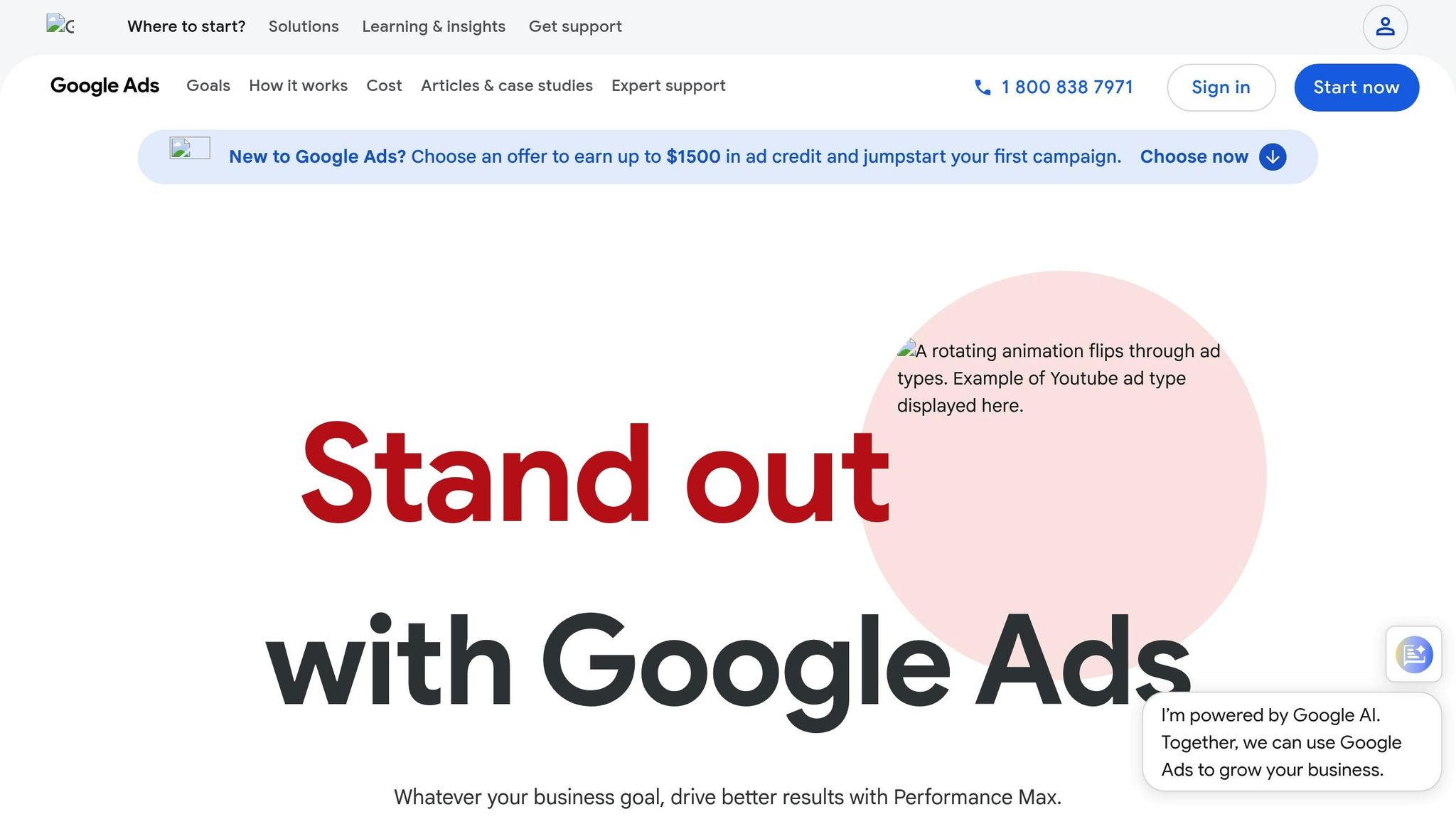
First, link your Google Ads to your YouTube. This lets you use your videos as ads and see how they're doing. Then, tie your online store to Google Ads. This is key for keeping track of products and sales. Look at your platform's guide for steps to connect them.
Picking Goals and Budgets
Set a clear goal for your drive - like more sales, more web visitors, or more people knowing your brand. Start small with daily spending to collect data but not waste money. Make sure the cost per new customer fits with your earnings. Give it time to work out which viewers react best.
Making Video Ads That Work
Pick an ad style that matches your goal. If people can skip it, make it short and grab them fast. If they can't skip it, keep to one simple message.
Make sure your ads work well on phones, using clear text and sharp pictures. Use real reviews and show your product fixing a common issue quickly. End with a strong push, like “Shop now.” For a strong brand feel, keep colors, fonts, and music the same in all your videos. Once your ads are set, you can fine-tune your campaign for even better results.
Getting the Right People for More Sales
The win of your ads often depends on hitting the right crowd. YouTube has many tools to link online store brands with likely buyers who may buy.
Using YouTube's Tools to Pick Who Sees Your Ads
YouTube lets you clean up who sees your ads:
Demographic targeting: Choose details like age, sex, money, or if they have kids to shape your ads.
Interest-based targeting: Dive into what viewers like and look up. You could go for big groups like "beauty fans" or make your own groups based on their web steps, app use, and sites they’ve hit.
Keyword targeting: Line up your ads with videos linked to certain words. For instance, a brand that sells kitchen tools might aim for words like "kitchen tricks" or "quick dinner ways."
Placement targeting: Pick clear spots for your ads, such as certain YouTube channels, videos, or even websites in Google's show network. This works well if you know your crowd likes certain stars.
Life events targeting: Meet users at big times like moving, marrying, or finishing school. These big times often lead to new buys, making this choice good for items like home stuff or gifts.
After you pick your targeting ways, it’s key to test and see which crowds lead to real buys.
Trying Different Crowd Groups
It's key to test many crowds to see what fits best. Set up three to five different targeting plans, each with its own ad group and cash limit.
A strong move is making lookalike crowds. By sending your customer email list to Google Ads, YouTube can spot users that act like your past buyers. These crowds often bring good sales rates because they fit your ideal customer well.
Another move is trying broad versus tight targeting. Broad targeting lets YouTube's system do more to find likely buyers, while tight settings give you more say but may cut how far you reach. Many brands win by starting broad and making it sharper based on the results they see.
You can also mix targeting options to better your aim. For instance, mix what viewers are into with demographic filters or mix keyword targeting to custom crowds. Although mixing can make your aim sharper, keep an eye on how it changes your reach and costs.
At last, aim at the groups that bring sales, not just clicks or views. A crowd that loves to watch but won't buy isn't good for your cash. Use your power on crowds that get paying buyers. This base work sets you up for smart repeat ad moves.
Talking Again to Past Visitors
Once you've made your targeting better, it’s time to talk again to users who already know your brand. Repeat ad moves work well because they aim at warm leads - folks who already know your stuff.
Shape your repeat ad lists to fit your message:
People who visit the home page may want more info about what you sell or do.
People who look at product pages might like seeing reviews or what others say.
People who leave items in the cart often react well to last-minute deals or price cuts.
For video ads, aim at people based on how they watched your YouTube stuff. For instance, you can target those who watched 25%, 50%, or 75% of your videos. Those who watched a lot are probably very into what you offer.
Customer email lists let you upload the emails of people who buy from you or might buy. You can use these lists to get back in touch with people who stopped coming or to sell more stuff to those who already buy. Still, it’s key to watch these lists close so you don't bug people who already bought.
Another good way to do this is step-by-step ads, which show ads made for where a person stands in deciding to buy. For example, someone new to your brand sees ads that just introduce, while people who left stuff in their cart see ads about those items. This way, what you say hits the right note and comes at the right time.
To keep from showing too much, only show your ads three to five times a week. Showing the same ad too much can turn people off and waste money.
Lastly, use exclusion lists to keep from aiming at the wrong folks. For example, don’t target people who just bought something. You don't want cheap product ads going to your top spenders or ads aimed at getting new people going to those who already bought from you. This helps you use your ad money right and keep people happy.
Boosting Campaign Success and ROI
Once your campaign is up and grabs the right eyes, the big job starts - constant polishing. To get more from your YouTube ads, you need to use the data on how they are doing and make changes that lift conversions and better your investment returns. Often check results and try new ad parts to sharpen your way.
Watching Results with Analytics
Tools like YouTube Analytics and Google Ads give lots of data to check how your campaign is doing. Look well at key numbers:
Click-through rate (CTR): This tells how well your thumbnail and title catch eyes. If your CTR is low, try new thumbnails or start ways.
View rate: This number shows how engaging your ad is. Watch how views lead to actions to see overall success.
Conversion rate and cost per getting a customer (CPA): These help you see if what you spend on ads makes sense with what your customers spend on average.
Return on ad spend (ROAS): This shows the money made for each dollar spent on ads, giving you a clear view of profit.
Set up how to track conversions early by linking your Google Ads account to your online store. This lets you see how your ads help in the full path of a customer. Also, keep an eye on when viewers stop watching. Use what you learn to change your first lines or calls to action for better pull.
Testing Ads
A/B testing is a strong way to find what strikes a chord with your audience. Try different looks for thumbnails, titles, and start ways to see what catches the eye at once. For example, see if a strong direct point, a question, or a quick show of the product's good works better in the start.
Your call to action needs tests too. Shift the words, spot, or timing to see what gets more viewers to act. Test one thing at a time and give each test enough time to show real data. This careful way helps you know for sure which changes help.
When you know the best mixes, use them more to keep good results in all campaigns.
Using Averi AI for Easier Campaign Work
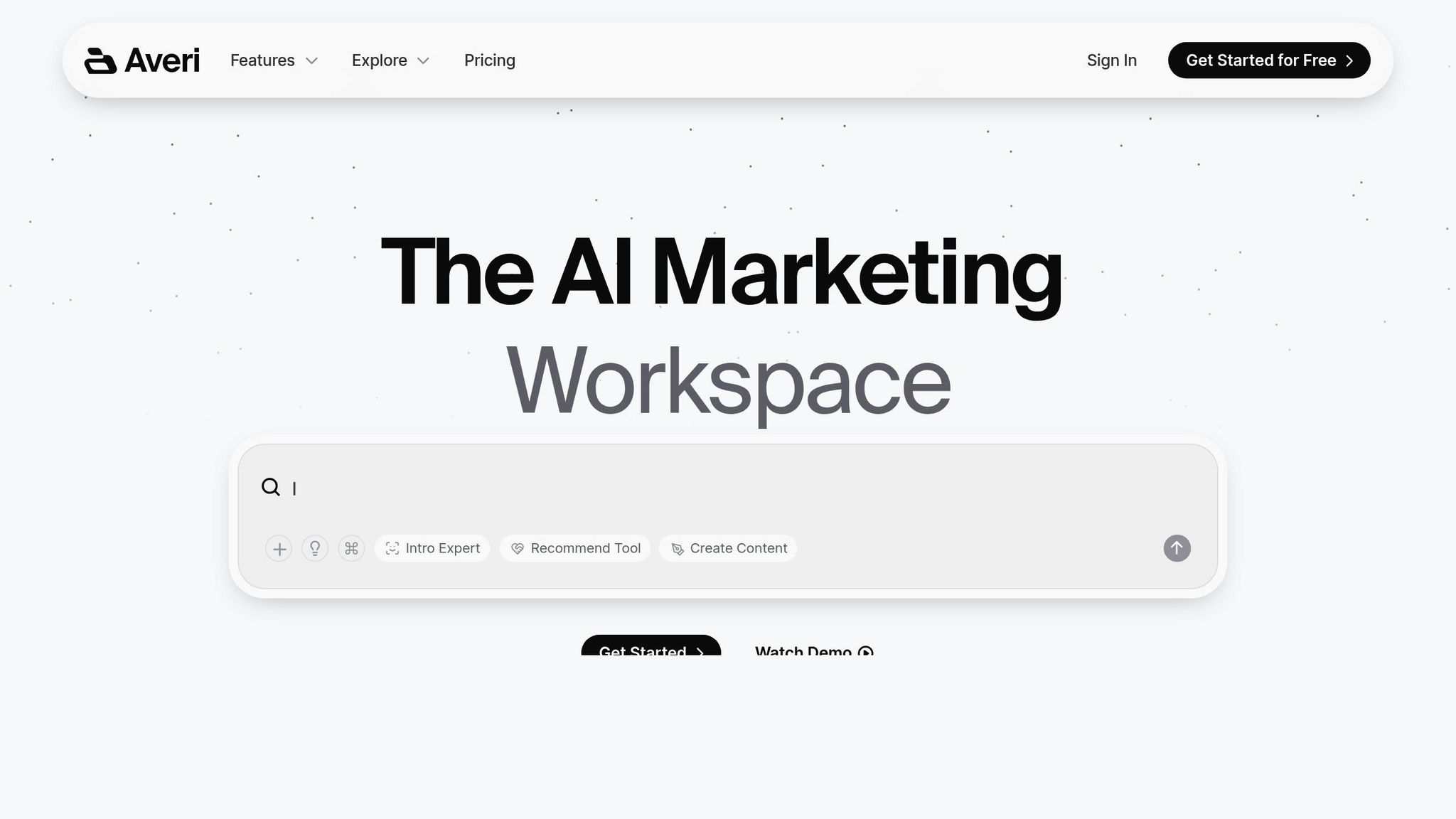
Handling YouTube ad campaigns takes a lot of time, but tools like Averi AI can make it easier and tune up your work. This AI tool helps with all from making ads to planning and keeping ads doing well.
Averi AI’s Synapse chooses when to use AI tips and when to use human thought for deeper choices. Its Brand Core keeps your content true to your brand's voice and rules. The /create mode takes you from starting plans to done ad scripts fast, while Library folders hold old campaigns and learnings for next moves.
For online shops that run many product ads, Averi AI's all-in-one space is huge. It lets you tweak your ads fast, keeping them nimble and in line with your business aims. And it does all this while saving you time and work.
Tools and Help for YouTube Ads
Growing YouTube ads needs tools to make making, following, and doing ads easy but still good and true to your brand. With the right help, you can think more on plans and less on doing the same work over and over.
How Averi AI Makes Ad Campaigns Better
Averi AI mixes smart AI and real person know-how in one place, making it easier to plan, make stuff, and get things done.
The Synapse system finds out when to use AI-made stuff and when to get help from smart creative people. For YouTube ads, you get AI-made video words and target plans, but real pros help to make them perfect. The Brand Core part makes sure all ads sound like your brand - a key point when you run lots of ads.
Averi’s /create mode makes it easy to set ad goals, write stuff, and polish the final ads. This flow stops the pain of starting from zero or getting lost in too many changes. The Library spot keeps good past campaigns, tips, and stuff, giving you a useful pile of things to look at for new work.
For online shops, who really focus on product ads on YouTube, Averi AI helps save lots of time with an all-in-one choice. By putting tasks like coming up with ideas, writing scripts, and working with freelancers all together, it cuts down the mess of using many tools, standing out from other options.
Averi AI vs Other Marketing Tools
There are three main ways to handle YouTube ad campaigns:
Approach | How It Works | Best For | Trade-offs |
|---|---|---|---|
AI Workspace (Averi AI) | Mixes AI content making with pro help on one site | Groups that need deep plans and smooth work flow | Costs more at first and calls for new work ways |
Hire pros for set jobs | Firms with set plans and who can lead freelancers | Needs lots of time to pick right and may get mixed results | |
Make content by self cues | One ad folks or groups okay with more fixes | Less help in doing and hard to keep same style |
For one, Copy.ai has more than 2,000 links, making it a good fit for many kinds of big ad plans, not just those on YouTube. But, it still asks users to take care of doing and making it better on their own.
"Copy.ai has been phenomenal in transforming the way we develop marketing content. By automating workflows that would typically take weeks and cost thousands of dollars through agencies, they've saved us $16 million dollars this year alone."
In the end, what you pick hangs on what your team can do and what they aim for. For those who need both big plans and smooth action, a joint work area like Averi AI often works better than using many tools. This way of working together shows why it is key to match your ad plans with your larger marketing goals.
Linking Ad Plans With Other Platforms
Making ad automation simple is just the start - tying YouTube ads with your current marketing tools makes them hit harder. YouTube ads do best when they fit into a wider network, not just stand alone. Top ecommerce brands set their YouTube ads to follow their main marketing plans, making sure customers get a united experience and finding deeper truths.
CRM integration is key in seeing how people move through your sales path. Tools like HubSpot, Salesforce, or Klaviyo can catch lead details from your ads and start follow-up steps, showing a better view of customer lifetime value.
Your content management systems should also sync with your YouTube plan. For instance, if a product shown in an ad sells out, joined platforms like Shopify or WooCommerce can stop or change the ad by themselves, stopping customer upset.
Special tools like Triple Whale, Northbeam, or Hyros offer multi-touch checking, showing how YouTube ads add to your wider marketing work. These truths help you spread your money better over all pathways.
Last Thoughts: Key Points for YouTube Ads
YouTube ads for online shops do well with three main parts: picking the right ad types, finding the right people, and using smart tools well.
Picking the right ad types is the first step to hit your ad goals. If you want to grow brand love, get quick actions, or make direct sales, the ad type you pick must fit your aims. This fit makes sure your message gets to the right people when it should.
Finding the right people is just as key. Begin by using ways to reach back out to people who already buy from you. Then, try to find new people close to your best customers. Trying different groups lets you find those who respond best and are more likely to buy. Many top brands use a lot of ways - like age groups, likes, and habits - to make very detailed profiles of people.
At last, smart tools can lift your ads higher. Tools like Averi AI's workspace bring together plans, making content, and doing the work all in one place. By using AI wisdom with human know-how, these tools help you make your ads better and keep your brand sound true.
To start, line up your ad type, who you target, and your smart tool plan. Begin with one ad, test it with a small group, and grow as you learn what works best with your buyers. The best YouTube ad people make systems that keep getting better with each ad.
Ready to make YouTube ads easier? Try the AI Marketing Workspace now.
FAQs
What’s the big thing that sets skippable, non-skippable, and shopping ads on YouTube apart, and how do I pick the right one for my shop?
Skippable ads let users move on after just 5 seconds. They're great for growing brand awareness and get people involved without being too pushy. On the flip side, non-skippable ads keep viewers locked in until the end to deliver a short but strong message. Shopping ads show a different tack by showing off your goods with images, prices, and easy links to buy, making them top-notch for boosting sales.
When picking the best ad style, think about what you want to achieve and what your viewers want. If you're after visibility and engagement, skippable ads should be your go-to. For clear and direct communication, choose non-skippable ads. And if getting more sales is your aim, shopping ads are your best bet.
How can you boost your ROI and get more clicks with YouTube ads?
To make your YouTube ads work best and get more ROI and clicks, think about these key moves:
Pick the right people: Use deep detail on age, likes, and how people act to make sure your ads hit those who might really interact.
Make cool videos: Work on videos that catch eyes fast while they share your message and show your worth well.
Look at the numbers: Keep an eye on things like click rates and how much you spend to get new people. Use this info to make your ads better.
Try new things: Mix up your ad styles, words, and images to see what works best with the folks watching.
Also, keep updating how much you spend and how high you bid to stay on top, use remarketing to pull back those who might buy, and try tools like Averi AI to make ads easier and track how they do. These steps will help you tweak your ads and get better results.
Related Blog Posts

Zach Chmael
CMO, Averi
"We built Averi around the exact workflow we've used to scale our web traffic over 6000% in the last 6 months."
Your content should be working harder.
Averi's content engine builds Google entity authority, drives AI citations, and scales your visibility so you can get more customers.